
Nowadays, many SaaS founders, organizations, and tech-led businesses are discovering that the old “move fast and break things” philosophy doesn’t apply to user privacy anymore. Well, the question arises, why? This is particularly because DPDP compliance for SaaS companies is now a foundational requirement that affects your product architecture, your client contracts, and your ability to raise capital.
What looks like a lean, agile operation on the surface is actually a Data Fiduciary and often a Data Processor simultaneously. Look, if you build your platform without “Privacy by Design”, you are effectively building a product that is illegal to scale in the Indian market.
This is why, to avoid legal roadblocks and to win the trust of enterprise clients, founders are prioritizing DPDP compliance for SaaS companies as a core feature. Having said that, in this blog, we will discuss how to build a privacy-first foundation based on official government mandates, along with the key factors that make your startup’s compliance journey smoother and stress-free. So, scroll down and read on for more information.
Why SaaS Companies Face Unique Pressures
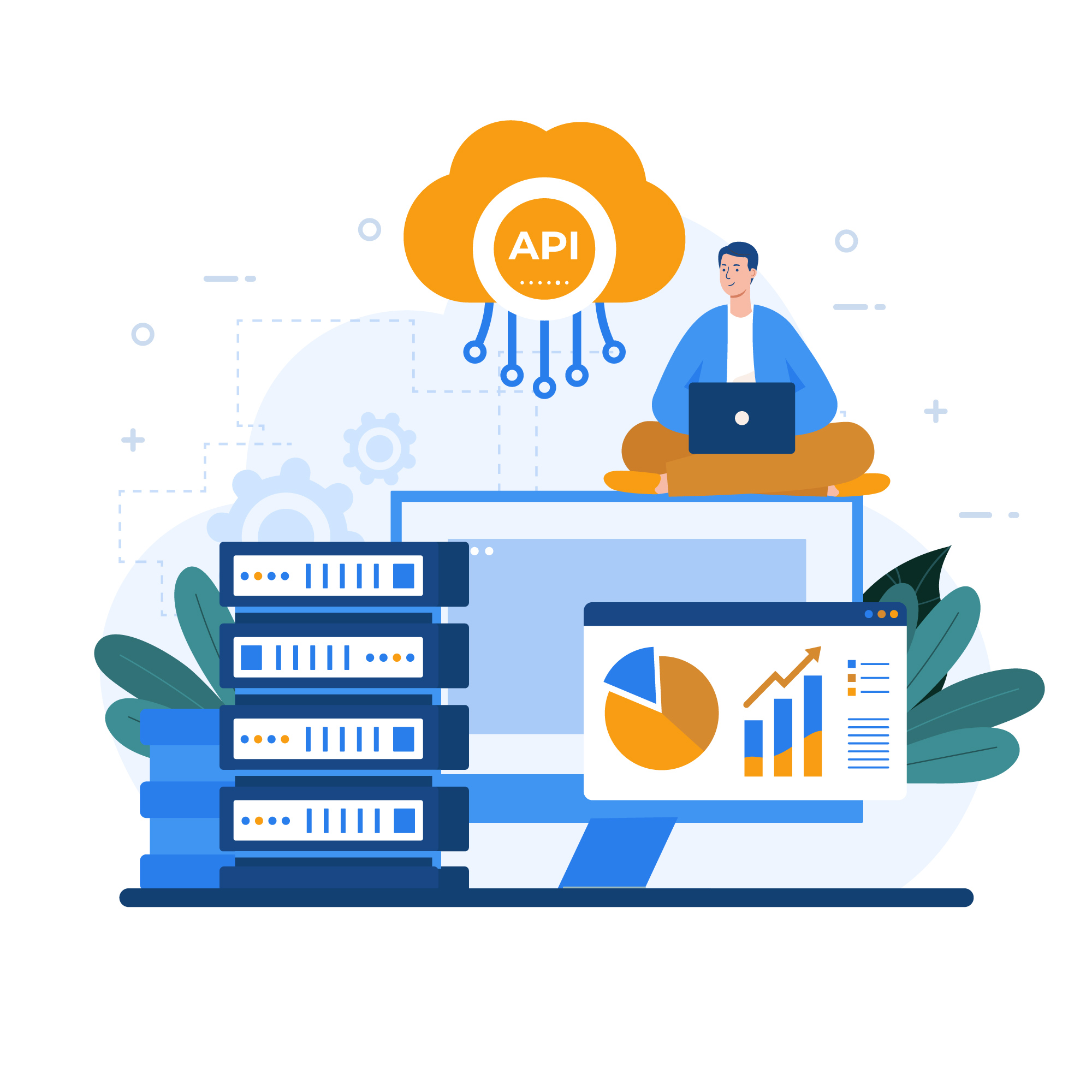
SaaS platforms often operate as intermediaries, processing data for their own users while also handling end-user data for their enterprise clients. Under the Digital Personal Data Protection Act, this creates a dual responsibility.
- Handling both user and client data
- Operating as Data Fiduciary and Processor
- High exposure to compliance risks
DPDP compliance for SaaS companies is basically a simple process of ensuring that your platform can handle high-volume data while maintaining “Privacy-by-Design”. Truly, by being transparent about your data practices, businesses gain professional help in passing the rigorous “Privacy Due Diligence” tests that modern VCs and enterprise buyers now require.
The “Privacy Sprint” Strategy for Tech Teams
You don’t need to slow down your product roadmap to be compliant. For DPDP compliance for SaaS companies, we recommend a “Privacy Sprint” approach that integrates these confirmed official pillars into your development cycle:
- Modular Documentation: Instead of one massive policy, maintain discrete modules for your Data Inventory, Processing Purpose Matrix, and Vendor Register.
- Automated Consent Capture: Use API-driven consent versioning so you can prove exactly what a user agreed to at any point in time.
- Role-Based Access Control (RBAC): Implementing the “least privilege” principle as a secure default.
- Data Minimization as a Feature: Only collecting the data points that are strictly necessary for the product to function.
Managing Data Processors and Sub-Processors
Most SaaS platforms rely on a “stack” of third-party tools for analytics, email, and hosting. Under the Digital Personal Data Protection Act, you are responsible for the actions of these sub-processors. If your analytics tool leaks customer info, the Board looks at you first.
- Audit all sub-processors
- Ensure compliance-ready vendor contracts
- Continuously monitor data risks
Staying compliant with these vendor checks might become difficult for founders juggling a hundred tasks. This is where using data compliance tools to automate your sub-processor vetting becomes an astute business choice.
Why DPDP Compliance for SaaS Companies is a Competitive Lever
Indian digital regulations and the official notifications from November 2025 have created a market where “Privacy” is a major selling point. In the B2B world, being able to show your DPA act compliance certificate can be the difference between closing a major contract and losing out to a competitor.
Thus, keeping track of your data liabilities while pitching to enterprise clients becomes tough and difficult. Truly, by mastering DPDP compliance for SaaS companies, you prove that your platform is mature, scalable, and audit-ready for a global audience.
Confirmed Benefits of SaaS-Specific Compliance:
- Accelerated Sales Cycles: Enterprise clients sign faster when they see your data security documentation is already ready.
- Global Portability: Aligning with the DPA act makes you 80% ready for global laws like GDPR, allowing you to scale internationally.
- Complete Statutory Compliance: Avoiding “stop-work” notices or blocks that can come from a regulatory investigation.
- Higher User Trust: Users stay with platforms that respect their personal data and provide easy-to-use rights management dashboards.
- Operational Resilience: Knowing exactly where every data point is makes your tech stack leaner, faster, and more secure.
Conclusion
Selecting a “privacy-first” mindset through DPDP compliance for SaaS companies is the first step toward building a sustainable, trustworthy global platform. From the personal data protection act mandates to the daily grind of feature development, it may be an astute business choice to audit your platform’s data architecture today.
If you find yourself overwhelmed by the technicalities of automated DSAR (Data Subject Access Request) workflows or encryption at rest, maybe you need expert help to take care of it for you, so you can better attend to your business’s growth.
Ready to build a SaaS platform that users and regulators trust?
At RuleExpert, we specialize in DPDP compliance, helping you navigate the complexities of the law while you focus on scaling your product. From data security india audits to consent flow design, our services ensure reliability and peace of mind for every founder.